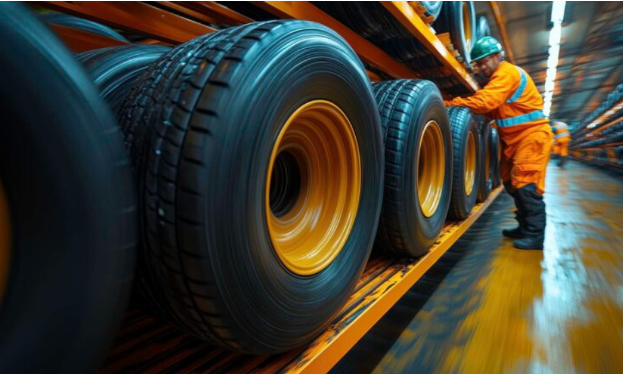

Industrial tires are essential for the smooth operation of heavy machinery and equipment in factories, warehouses, construction sites, and other industrial settings. Choosing the right industrial tires can significantly affect the performance, safety, and efficiency of your equipment. With so many options available, it can be overwhelming to know which tires will work best. This article will guide you in selecting the most suitable industrial tires for your equipment in simple and professional terms.
Understand Your Equipment and Its Needs
Before selecting industrial tires, it is important to understand the type of equipment you are using. Different machines, such as forklifts, skid steers, and industrial trucks, require different types of tires. Consider the weight of your equipment and the type of work it performs. Heavier machines need stronger tires that can support high loads, while lighter machines may use tires designed for speed and agility. Knowing your equipment’s specific needs will narrow down the options and make the selection process easier.
Consider the Work Environment
The surface and environment where your equipment operates play a major role in choosing industrial tires. Tires that work well on smooth concrete floors may not perform as efficiently on rough, uneven surfaces. For outdoor applications, you may need tires that are resistant to mud, water, and extreme temperatures. In contrast, indoor settings may require tires that minimize noise and do not damage delicate flooring. Understanding your work environment ensures that the tires you choose will provide both durability and performance.
Choose the Right Tire Type
Industrial tires come in various types, including pneumatic, solid, and semi-pneumatic tires. Pneumatic tires are filled with air and provide cushioning, which is ideal for uneven surfaces and outdoor work. Solid tires are made from solid rubber and are very durable, making them perfect for heavy-duty tasks on smooth surfaces. Semi-pneumatic tires combine the advantages of both types, offering some cushioning while being more resistant to punctures. Choosing the correct type of tire based on your equipment and environment is crucial for safety and efficiency.
Pay Attention to Load Capacity
Every industrial tire has a specific load capacity, which indicates the maximum weight it can safely carry. Using a tire that cannot handle the weight of your equipment or its load can lead to accidents, damage to the machinery, and reduced tire life. Always check the manufacturer’s specifications and select a tire that meets or exceeds the weight requirements of your equipment. Proper load capacity ensures optimal performance and extends the life of your tires.
Check for Tire Durability and Quality
Durability is a key factor when choosing industrial tires. High-quality tires are made from strong materials that resist wear, cuts, and punctures. Investing in durable tires may cost more initially, but they save money in the long run by reducing replacements and maintenance. Look for tires from reputable manufacturers and suppliers that offer warranties and proven performance in industrial applications. Quality tires provide reliability and reduce downtime in your operations.
Consider Tire Maintenance and Replacement
Even the best industrial tires require regular maintenance to ensure safety and performance. Check tires for signs of wear, cracks, or damage and replace them when necessary. Some tires are easier to maintain or repair than others, so consider this when making your choice. Proper tire maintenance not only prolongs their life but also enhances the safety and efficiency of your equipment.
Seek Expert Advice
If you are unsure which industrial tires are best for your equipment, seek advice from experts or suppliers who specialize in industrial tires. They can assess your equipment, work environment, and usage patterns to recommend the most suitable options. Consulting professionals helps you make an informed decision and ensures that your equipment operates smoothly and safely.
Conclusion
Choosing the right industrial tires is vital for the performance, safety, and longevity of your equipment. By understanding your equipment’s needs, considering the work environment, selecting the appropriate tire type, checking load capacity, prioritizing durability, and maintaining your tires, you can make a well-informed choice. Investing time in selecting the right industrial tires ensures that your machinery operates efficiently and safely, ultimately saving time and money while supporting your industrial operations.