
Introduction
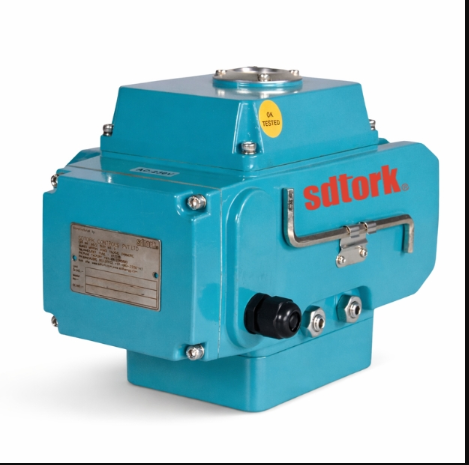
A Multi Turn Electric Actuator is an electromechanical device designed to automate valves and other equipment that require multiple rotations for opening, closing, or positioning. Unlike a conventional quarter-turn actuator, which generally operates through a limited rotational movement, a multi-turn design can rotate the output shaft through several revolutions. This makes it particularly suitable for gate valves, globe valves, rising-stem valves, and other applications where the valve stem needs extended rotational movement.
In modern industrial plants, automation helps operators control equipment more efficiently while reducing the need for continuous manual intervention. A multi-turn actuator combines an electric motor, gearing, control components, limit switches, and other mechanisms to convert electrical power into controlled mechanical movement. Depending on the model and application, these actuators can support on-off operation or modulating control. Current actuator designs are available with different torque capacities, protection ratings, control signals, power supplies, and mounting arrangements, allowing them to be adapted to a wide range of industrial environments.
What Is a Multi Turn Electric Actuator?
A Multi Turn Electric Actuator converts electrical energy into rotary mechanical movement through an electric motor and gearbox. The motor provides rotational energy, while the gearbox reduces speed and increases the usable torque required to operate the connected valve. The actuator output then turns the valve stem through multiple revolutions until the desired position is reached.
Multi-turn operation is particularly important for valves whose opening and closing mechanism depends on repeated stem rotation. Gate and globe valves are common examples. Depending on the valve configuration, the actuator may produce torque, thrust, or a combination of both through suitable drive arrangements. Some designs can also be combined with additional gearboxes for applications requiring higher torque.
Modern products may include local controls, position indicators, torque protection, limit switches, electronic control boards, and communication interfaces. These features allow the actuator to operate as part of a larger automated process-control system.
How Does a Multi Turn Electric Actuator Work?
The operating process begins when the actuator receives an electrical command from a local control station, remote control system, PLC, or other automation equipment. The electric motor starts rotating in the required direction. Its mechanical output passes through a gearbox that converts the motor’s relatively high-speed rotation into slower movement with greater usable torque.
The gearbox drives the actuator’s output mechanism, which is connected to the valve stem or another mechanical component. As the output rotates, the valve gradually moves toward its open, closed, or intermediate position. Limit switches or electronic position sensors can detect travel limits and help stop the motor when the desired endpoint is reached. Torque protection can also help prevent excessive mechanical loading when the valve encounters abnormal resistance.
For modulating applications, the actuator can receive proportional signals such as 4–20 mA or other control inputs. This allows the valve to be positioned at intermediate points instead of simply being fully open or fully closed. Some current multi-turn actuator designs support on/off as well as proportional control.
Main Components of a Multi Turn Electric Actuator
Several components work together to provide reliable valve automation. The electric motor supplies the driving power, while the gearbox converts motor speed into the torque and rotational characteristics required by the valve. The output drive transfers this mechanical force to the valve stem or connected equipment.
Limit switches are used to identify predefined travel positions, while torque switches or electronic protection systems can respond to excessive resistance. A handwheel or manual override mechanism may also be included so that operators can move the valve manually when electrical power is unavailable or maintenance is required.
The control section may include contactors, relays, position electronics, display systems, or communication interfaces. More advanced models can incorporate digital position monitoring and fieldbus communication. The enclosure protects internal electrical and mechanical components from environmental conditions. Depending on the application, protection ratings such as IP65, IP67, or IP68 may be available.
Types of Multi Turn Electric Actuators
Multi-turn electric actuators can be classified according to their control method, construction, application, and operating environment. On-off actuators are primarily intended to move a valve between open and closed positions. They are commonly used for isolation duties where continuous positioning is unnecessary.
Modulating actuators are designed for applications where the valve must be positioned at different intermediate points. They can receive proportional control signals and adjust the valve position according to process requirements. Intelligent actuators add electronic monitoring, configuration, diagnostics, and communication capabilities.
There are also weatherproof models designed for outdoor installations and specialized versions intended for hazardous or potentially explosive environments. Some actuator systems are available with integrated controls, while others are designed for connection to external control panels.
The appropriate type depends on the valve, operating environment, control system, required accuracy, duty cycle, and safety requirements. Selecting the actuator according to the complete application is more important than choosing one based only on motor size.
Applications of Multi Turn Electric Actuators
A Multi Turn Electric Actuator is widely used in industries where valves require repeated rotation and reliable automated operation. Water and wastewater facilities use these actuators for gate valves, treatment systems, pump stations, pipelines, and flow-control equipment. Power plants can use them in steam, cooling-water, feedwater, and other process systems where dependable valve operation is essential.
Oil and gas facilities may require multi-turn actuation for pipeline and process applications, while chemical plants use automated valves for controlling process fluids. Steel, cement, mining, pharmaceutical, marine, and general manufacturing facilities also use electric actuators in different flow-control applications.
Their ability to integrate with automation systems makes them particularly useful in centralized industrial control environments. Operators can issue commands remotely, monitor valve position, and coordinate valve movement with other process equipment. Depending on the actuator’s control capabilities, it can support simple isolation or more sophisticated positioning applications.
Benefits of Multi Turn Electric Actuators
One major benefit of a Multi Turn Electric Actuator is the ability to automate valves that require several rotations to complete their operating cycle. This eliminates the need for operators to manually rotate handwheels repeatedly, particularly on larger valves where manual operation can require significant effort.
Automation can also improve operational consistency. The actuator can be configured to stop at defined positions and can work with control systems to coordinate valve operation with pumps, process equipment, and other components. Position feedback can provide operators with information about whether a valve is open, closed, or at an intermediate position.
Another advantage is flexibility. Depending on the model, an actuator may support different power supplies, control modes, mounting arrangements, and environmental protection levels. Some systems also provide manual override capability, allowing operators to operate the valve during certain maintenance or emergency situations.
Multi Turn Actuator for Gate Valves
Gate valves are among the most common applications for multi-turn electric actuation. A gate valve generally moves its closure element through the valve body as the stem rotates. Because this movement requires multiple stem rotations, a multi-turn actuator is well suited to the operating mechanism.
The actuator must provide sufficient torque and, where required, thrust to overcome the valve’s operating resistance. Correct sizing is therefore essential. Factors such as valve size, pressure, stem design, seating conditions, operating frequency, and required closing force can affect actuator selection.
A properly matched actuator can provide controlled opening and closing while allowing the valve to be operated remotely. In larger industrial facilities, automated gate valves can also be integrated with plant control systems, enabling operators to coordinate isolation and process operations from a centralized location.
Multi Turn Actuator for Globe Valves
Globe valves can also use multi-turn electric actuation, especially where controlled positioning is required. Unlike simple isolation applications, globe valves may be used to regulate flow depending on their design and process role. This makes accurate actuator movement important in applications requiring intermediate valve positions.
A modulating actuator can receive a control signal and move the valve toward the position required by the process-control system. Position feedback can then communicate the actual valve position to the control system.
When selecting an actuator for a globe valve, engineers should consider the required thrust, travel, operating speed, valve characteristics, and frequency of operation. The actuator must be capable of handling the mechanical load throughout the complete travel range rather than only during initial movement.
Control and Communication Options
Modern electric actuators can be integrated with different control architectures. Basic systems may use local push buttons or conventional electrical control circuits for opening and closing. More advanced installations can connect the actuator to PLCs, distributed control systems, or supervisory control equipment.
Proportional control is useful when intermediate valve positions are required. Depending on the actuator design, control signals can include 4–20 mA, 0–10 V, or digital communication protocols. Some intelligent actuators support fieldbus communication and provide additional information such as position, operating status, alarms, or diagnostic information. Current product ranges demonstrate the availability of Modbus, Profibus, HART, and other communication options in some multi-turn actuator systems.
The correct control method depends on the plant’s automation architecture. Compatibility between the actuator, control system, power supply, and communication network should be confirmed before installation.
Selecting the Right Actuator
Selecting a Multi Turn Electric Actuator requires a detailed evaluation of the valve and operating environment. The first consideration is the required torque or thrust. The actuator must provide enough output to operate the valve under its maximum expected operating conditions without being unnecessarily oversized.
Power supply is another important factor. Industrial actuators may be available for different AC or DC voltages, so the selected model must match the available electrical system. Duty cycle, operating speed, travel time, ambient temperature, enclosure protection, and installation location should also be considered.
The actuator’s mounting interface must match the valve or gearbox. Standardized mounting arrangements can simplify installation, but the actual valve-stem dimensions and drive configuration still need to be verified. Control requirements should also be considered, including on-off operation, modulating control, position feedback, local controls, and communication protocols.
Maintenance and Reliability
Although electric actuators can reduce manual intervention, they still require appropriate maintenance. Routine inspection can help identify loose electrical connections, mechanical wear, moisture ingress, unusual operating sounds, or changes in valve operating torque. The actuator’s enclosure, cable glands, terminal connections, and mounting hardware should be checked according to the manufacturer’s maintenance recommendations.
The valve itself should also be maintained because actuator performance depends on the mechanical condition of the connected equipment. A valve that becomes difficult to operate can increase actuator loading and potentially trigger torque protection.
Proper installation is equally important. Incorrect alignment, unsuitable mounting, incorrect wiring, or inappropriate actuator settings can affect performance. Regular functional checks can confirm that limit switches, position feedback, controls, and safety features are operating as intended.
Future of Multi Turn Electric Actuation
Industrial automation is creating increasing demand for intelligent actuator systems capable of providing both movement and operational information. Future actuator designs are likely to place greater emphasis on digital diagnostics, remote monitoring, communication, energy efficiency, and condition-based maintenance.
Intelligent position sensing can help operators understand valve status without relying entirely on local inspection. Communication networks can also allow actuator data to become part of a broader plant automation system. This can support centralized monitoring and help maintenance teams identify abnormal operating conditions.
The development of improved motors, electronic controls, sensors, gear systems, and protective enclosures can further expand the capabilities of multi-turn electric actuation. Applications in water infrastructure, energy, chemical processing, manufacturing, and other automated industries are likely to continue requiring dependable electrically operated valve systems.
Conclusion
A Multi Turn Electric Actuator is an important solution for automating valves and equipment that require multiple rotations for opening, closing, or positioning. By combining an electric motor, gearbox, control mechanism, position monitoring, and protective features, it can provide controlled and repeatable operation for industrial valve systems.
The technology is particularly suitable for gate and globe valves, while specialized arrangements can support other applications through suitable gearboxes and drive mechanisms. Choosing the correct actuator requires careful consideration of torque or thrust, valve characteristics, power supply, travel speed, duty cycle, environmental protection, mounting, and control requirements. With the continued growth of industrial automation, intelligent control, remote monitoring, and digital communication, multi-turn electric actuators are becoming increasingly useful components in modern flow-control systems.