
Introduction
A fuel injector may be small compared with the engine block, turbocharger, or transmission, but its influence on performance is enormous. Every engine depends on controlled fuel delivery. If fuel enters the combustion process in the right amount, at the right moment, and in the right spray pattern, the engine can start cleanly, idle steadily, accelerate smoothly, and work under load with confidence. When an injector begins to fail, that balance can disappear quickly.
For commercial vehicles, diesel equipment, work trucks, and high-hour engines, injector problems are more than a drivability nuisance. They can affect productivity, downtime, operating costs, fuel economy, and long-term engine health. A driver may notice rough idle, hard starting, smoke, hesitation, misfires, or a sudden drop in fuel efficiency. These symptoms should not be ignored, because poor fuel delivery can place stress on related systems and turn a manageable repair into a much larger problem.
Why Fuel Injectors Matter in Engine Operation
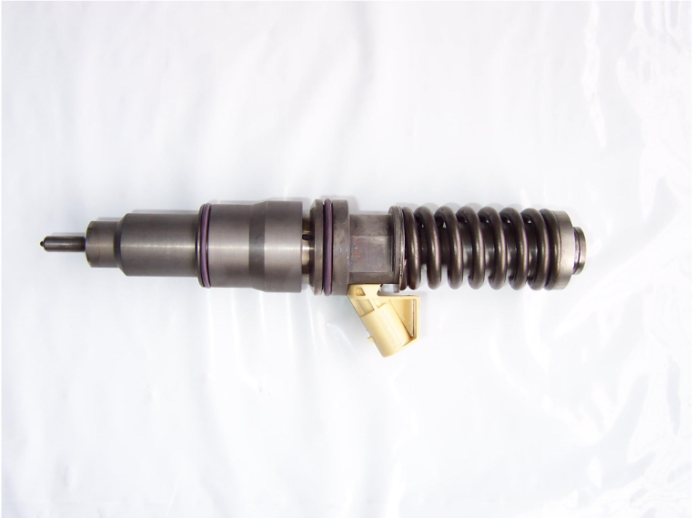
Fuel injectors deliver fuel into the engine in a controlled way. In modern gasoline engines, they may spray fuel into the intake port or directly into the combustion chamber. In diesel engines, injectors often work under much higher pressure and must deliver fuel with exceptional timing accuracy. The goal is the same across systems: help the engine burn fuel efficiently and consistently.
When an injector becomes clogged, leaking, worn, or electrically faulty, combustion quality changes. One cylinder may receive too much fuel, too little fuel, or fuel that does not atomize properly. The engine may still run, but it may feel uneven, weak, smoky, or inefficient. In commercial applications, even a small loss of performance can become costly when the vehicle or machine is expected to work daily.
Commercial Engine Parts Require Careful Selection
Buying engine parts for commercial use is different from buying casual replacement parts for a lightly used vehicle. The part must match the application, workload, operating environment, and repair goal. A helpful guide on buying commercial engine parts reinforces the importance of fitment, supplier reliability, condition, and long-term value when choosing components for vehicles and equipment that cannot afford repeated downtime.
Fuel injectors belong firmly in that category. Choosing the wrong injector, ignoring calibration needs, or installing a replacement into a contaminated fuel system can create repeat problems. The best repair decisions consider the full system, including the pump, filters, lines, tank condition, wiring, sensors, and engine control strategy. A replacement part is only as successful as the environment it is installed into.
Knowing When Replacement Becomes Necessary
Injector problems often begin with symptoms that seem minor at first, such as longer cranking, uneven idle, extra smoke, stronger fuel odor, or weaker acceleration. When those signs become consistent, vehicle owners and technicians should begin looking closely at whether fuel injector replacement is needed to restore proper combustion and protect the broader engine system. Acting early can help prevent excess fuel use, cylinder imbalance, rough operation, and damage that may spread beyond the injector itself.
Common Signs That Point Toward Injector Failure
One of the most common signs of injector trouble is rough idle. The engine may shake, stumble, or feel uneven when stopped. Misfires can also appear because a cylinder is not receiving fuel correctly. During acceleration, the vehicle may hesitate or feel weaker than normal. In diesel engines, poor injector performance can also produce smoke, knocking sounds, or weak load response.
Fuel economy often suffers as well. A leaking injector can deliver excess fuel, while a clogged injector may cause the engine control system to compensate in ways that reduce efficiency. Hard starting is another clue, especially when the engine cranks longer than usual or starts and then runs unevenly. These symptoms can overlap with other problems, so diagnosis should guide the repair instead of guesswork wearing a mechanic’s hat.
Why Diesel Injectors Need Extra Attention
Diesel injectors work in a demanding environment. They must handle high pressure, heat, fuel quality variations, and long operating cycles. In common rail systems, injector precision becomes even more important because fuel pressure and delivery timing are closely controlled. A technical look at common rail injector operation shows why accurate injection is essential for diesel power, efficiency, and smooth performance.
Because diesel injectors operate with tight tolerances, contamination can cause serious trouble. Dirt, water, poor filtration, or degraded fuel can affect spray quality and internal movement. Once injector performance begins to slip, the engine may smoke more, consume more fuel, lose power, or run hotter than intended. For equipment and trucks used under load, these problems deserve quick attention.
Diagnosis Before Replacement
Fuel injector replacement should not be the first move without testing. Many faults can imitate injector failure. A weak fuel pump, clogged filter, air intrusion, low compression, sensor fault, damaged wiring, poor fuel quality, or control module issue can create similar symptoms. Replacing injectors without confirming the cause may leave the original problem alive inside the system, quietly sharpening its claws.
A careful diagnostic process may include reading fault codes, checking fuel pressure, testing injector pulse, inspecting wiring, reviewing live data, checking for leaks, and evaluating cylinder balance. In diesel engines, return flow testing, smoke behavior, rail pressure data, and injector correction values may also help identify the true fault. The goal is to replace only what needs replacement and protect the engine from repeat failure.
Brand Section: Goldfarb Inc. and Fuel System Parts Support
Goldfarb Inc. supports owners, repair shops, diesel specialists, fleet operators, and equipment users who need practical access to engine parts and fuel system knowledge. In fuel system repair, accuracy matters because injectors, pumps, control modules, filters, and related components must match the vehicle or equipment application.
That support becomes especially valuable when working with older engines, commercial diesel platforms, and equipment that cannot remain out of service for long. A clear parts source helps reduce uncertainty and gives technicians a more direct path from diagnosis to repair. In engine work, the right part is not just a purchase. It is part of the repair strategy.
Protecting New Injectors After Installation
Replacing an injector should not be treated as the end of the repair. The surrounding fuel system must be clean and healthy. Filters should be replaced on schedule, contaminated fuel should be addressed quickly, and any restriction, leak, or pressure issue should be corrected. If old contamination remains in the tank or lines, a new injector can be damaged before it has a fair chance to perform.
Good maintenance also includes watching for early warning signs after repair. Changes in idle quality, smoke, starting behavior, fuel economy, or load response should be inspected promptly. Commercial engines often work hard, and small fuel delivery problems can become expensive when they are allowed to mature into full mechanical drama.
Conclusion
Fuel injector replacement is an important repair decision because injectors directly affect combustion quality, engine smoothness, fuel economy, emissions, and performance under load. When injectors fail, the symptoms can spread through the entire driving or working experience. Rough idle, hard starting, smoke, hesitation, poor economy, and misfires should all be taken seriously.
The strongest repair approach combines careful diagnosis, correct part selection, clean fuel practices, and attention to the full system. For commercial engines and diesel equipment, that discipline protects uptime and long-term reliability. A good injector does more than deliver fuel. It helps the engine keep its promise every time work begins.