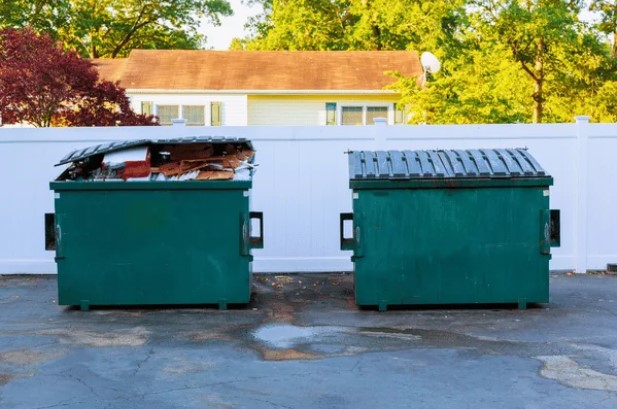

Home improvement projects, garden clearouts, and property renovations all generate more waste than most people anticipate. A single weekend of clearing out a garage or stripping flooring from two rooms can fill several car trips to the tip, which quickly becomes inconvenient, time-consuming, and costly. Renting a compact waste container is a much more practical solution for managing this kind of debris efficiently.
What Compact Containers Are Best Suited For
Smaller rental containers are ideal for projects that generate moderate amounts of waste in a limited space. Garden waste, old furniture, broken appliances, rubble from minor demolition work, and general household clutter all fit comfortably in a two-to-four yard container. These sizes are small enough to fit in driveways and narrow access points that larger units cannot reach.
They are also well suited for jobs done in stages, such as a room-by-room renovation where waste is generated gradually rather than all at once. Having a container on-site for the duration of the project means debris is contained and disposed of properly without repeated trips to a disposal facility.
Placement Considerations
Where you position the container matters both for practicality and compliance. Placing it on private property avoids the need for a permit in most areas, but it should be positioned so that it does not obstruct entrances, obstruct sightlines at junctions, or damage soft ground like lawns. Hard standing surfaces such as driveways or patios are ideal.
If placement on a public road is unavoidable, a permit from the local council is typically required. Most reputable suppliers handle this process on your behalf when you book, but it is worth confirming in advance to avoid delays or penalties.
Choosing the Right Size
Underestimating the volume of waste is a common mistake. It is generally better to rent a slightly larger container than you think you need rather than discovering midway through a job that you have run out of space. Overfilling a container is not permitted, as it creates hazards during transport and may result in additional charges.
Services offering mini skip hire typically have staff who can help you choose the right size based on a description of your project. A brief phone consultation before booking can save you from making a costly sizing error.
What You Cannot Put In
Most containers have restrictions on certain materials. Hazardous waste, asbestos, paint, solvents, electrical equipment, tyres, and plasterboard are commonly excluded or require special arrangements. Confirm the prohibited items list with your supplier before loading to avoid rejection at the disposal facility or extra fees.
Cost Factors to Understand
The cost of renting a dumpster can vary depending on several factors, so it is important to understand what influences the final price before making a booking. One of the biggest factors is the size of the container. Larger dumpsters can hold more waste and generally cost more than smaller options. Choosing a container that matches the scale of your project helps prevent unnecessary expenses while ensuring you have enough space for all your debris.
Rental duration also plays a major role in pricing. Most companies include a standard rental period in their base rate, but keeping the dumpster for additional days may result in extra charges. If you have a longer renovation, construction, or cleanup project, discuss the expected timeline with the provider to avoid unexpected fees.