
Introduction
Proper vehicle maintenance requires the right tools, especially when dealing with engine oil and fuel. One of the most essential tools for mechanics and DIY car owners is an Oil Drain Pan, which allows you to collect used oil safely during oil changes. Without it, oil spills can create messes, safety hazards, and environmental issues.
In addition to oil maintenance tools, equipment like a Fuel Caddy is also extremely useful for storing and transferring fuel safely. Whether you are working in a professional garage, managing farm equipment, or maintaining vehicles at home, these tools simplify maintenance tasks.
In this comprehensive guide, we will explore everything you need to know about choosing the best Oil Drain Pan, how to use it properly, its benefits, common mistakes to avoid, and how tools like a Fuel Caddy complement your garage equipment.
What Is an Oil Drain Pan?
An Oil Drain Pan is a container specifically designed to collect used engine oil during an oil change. It prevents oil from spilling onto the floor or ground and allows easy disposal or recycling.
These pans are commonly used by:
- Professional auto mechanics
- Garage workshops
- Car enthusiasts
- DIY vehicle owners
- Farm equipment operators
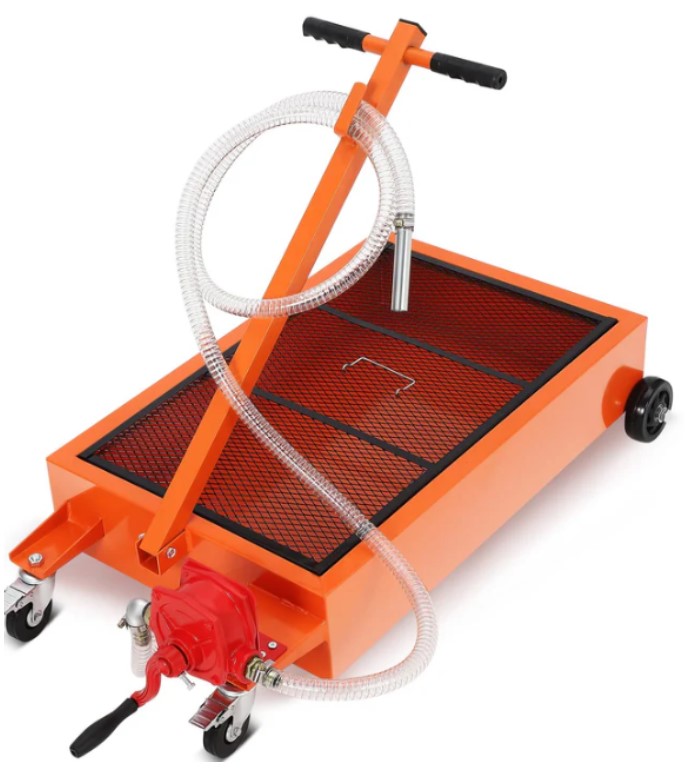
Modern oil drain pans are designed with additional features such as wheels, pumps, and extended hoses to make oil collection and disposal easier.
Key Benefits of Using an Oil Drain Pan
Using a high-quality Oil Drain Pan provides several advantages for vehicle maintenance.
1. Prevents Oil Spills
Old engine oil can easily spill during maintenance. An oil drain pan catches the oil safely and keeps your workspace clean.
2. Environmentally Friendly
Engine oil contains harmful chemicals. Proper collection using an Oil Drain Pan allows safe disposal or recycling.
3. Makes Oil Changes Easier
With the right drain pan, changing oil becomes faster and more organized.
4. Suitable for Multiple Vehicles
Large capacity oil drain pans can handle oil from:
- Cars
- SUVs
- Trucks
- Lawn mowers
- Motorcycles
- Generators
5. Saves Money
Regular oil changes using your own Oil Drain Pan can reduce expensive mechanic costs.
Types of Oil Drain Pans
Different vehicles and workshops require different types of oil drain pans.
1. Standard Oil Drain Pan
A simple container placed under the engine to catch oil.
Features:
- Lightweight plastic design
- Affordable
- Ideal for home users
2. Rolling Oil Drain Pan
A rolling Oil Drain Pan includes wheels and a large storage tank.
Advantages:
- Easy to move around
- Suitable for garages
- Large capacity
3. Low Profile Oil Drain Pan
These are designed for vehicles with low ground clearance.
Best for:
- Sports cars
- Sedans
- Lower vehicles
4. Oil Drain Cart with Pump
Advanced oil drain carts include a pump that transfers used oil to another container.
Benefits:
- No heavy lifting
- Faster oil disposal
- Perfect for professional workshops
How to Use an Oil Drain Pan Properly
Using an Oil Drain Pan correctly ensures safety and efficiency.
Step-by-Step Guide
Step 1: Prepare the Vehicle
Park the vehicle on a flat surface and turn off the engine.
Step 2: Position the Oil Drain Pan
Place the Oil Drain Pan directly under the oil drain plug.
Step 3: Remove the Drain Plug
Carefully loosen the plug so the oil flows into the pan.
Step 4: Allow Oil to Drain Completely
Wait several minutes for the oil to drain fully.
Step 5: Replace the Plug
Once draining stops, reinstall the plug securely.
Step 6: Dispose of the Oil
Transfer used oil to a recycling container.
Using the right Oil Drain Pan ensures this process stays clean and simple.
Features to Look for When Choosing an Oil Drain Pan
Choosing the right Oil Drain Pan depends on several factors.
1. Capacity
Oil drain pans typically range from:
- 8 gallons
- 15 gallons
- 20 gallons
- 25 gallons
Large capacity pans are better for workshops.
2. Durability
Look for materials like:
- Heavy-duty plastic
- Steel tanks
- Polypropylene containers
These last longer and resist chemicals.
3. Mobility
Some oil drain pans come with wheels for easy movement.
4. Drain Hose
A long hose allows easier oil transfer.
5. Height Adjustment
Adjustable pans fit different vehicle heights.
What Is a Fuel Caddy and Why It’s Useful
A Fuel Caddy is a portable fuel storage and transfer system used to store gasoline or diesel safely. Unlike a simple gas can, it includes a pump and wheels for easier fuel dispensing.
While an Oil Drain Pan handles used oil, a Fuel Caddy helps manage fuel safely.
Benefits of Using a Fuel Caddy
A Fuel Caddy is extremely helpful in garages, farms, and workshops.
1. Safe Fuel Storage
Fuel caddies are designed to safely hold gasoline or diesel.
2. Easy Fuel Transfer
They include a pump that allows controlled fuel dispensing.
3. Mobility
Most Fuel Caddy models include wheels for easy movement.
4. Large Capacity
Many units hold:
- 16 gallons
- 30 gallons
- 35 gallons
- 50 gallons
5. Ideal for Equipment
Fuel caddies are often used for:
- Lawn mowers
- Boats
- ATVs
- Generators
- Construction equipment
Oil Drain Pan vs Fuel Caddy
Although both tools are useful in workshops, they serve different purposes.
| Feature | Oil Drain Pan | Fuel Caddy |
| Purpose | Collect used oil | Store and transfer fuel |
| Usage | Oil changes | Fuel dispensing |
| Capacity | 8–25 gallons | 16–50 gallons |
| Mobility | Some models have wheels | Most models have wheels |
| Users | Mechanics and DIY owners | Farmers, mechanics, equipment owners |
Having both tools makes vehicle maintenance easier and more organized.
Tips for Maintaining Your Oil Drain Pan
Proper care increases the lifespan of your Oil Drain Pan.
Cleaning Tips
- Clean the pan after every use
- Remove leftover oil residue
- Store in a dry place
Safety Tips
- Avoid mixing oil with other fluids
- Always seal the container properly
- Wear gloves during oil changes
Maintaining your Oil Drain Pan prevents contamination and keeps it functional.
Common Mistakes to Avoid
Many beginners make mistakes when using an Oil Drain Pan.
1. Using a Small Capacity Pan
Too small a pan can overflow.
2. Incorrect Positioning
Placing the Oil Drain Pan incorrectly can cause spills.
3. Not Recycling Used Oil
Used oil must be disposed of responsibly.
4. Ignoring Maintenance
A dirty pan can contaminate future oil changes.
Avoiding these mistakes will improve safety and efficiency.
Recommended Tools for Garage Maintenance
To build a complete maintenance setup, consider the following tools:
Essential Tools
- Oil Drain Pan
- Fuel Caddy
- Socket wrench set
- Oil filter wrench
- Jack and jack stands
- Funnel and containers
Combining an Oil Drain Pan with a Fuel Caddy ensures proper handling of both oil and fuel.
Conclusion
A reliable Oil Drain Pan is one of the most important tools for safe and efficient oil changes. It prevents oil spills, keeps your workspace clean, and allows proper disposal of used oil. Whether you are a professional mechanic or a DIY car enthusiast, investing in a high-quality oil drain pan can significantly improve your maintenance routine.
In addition, tools like a Fuel Caddy provide a convenient way to store and transfer fuel safely, making them a valuable addition to any garage or workshop.
If you want to upgrade your maintenance equipment, consider exploring professional-grade options available online. The right Oil Drain Pan and Fuel Caddy will help you maintain vehicles efficiently, safely, and professionally.
FAQ
1. What is the purpose of an Oil Drain Pan?
An Oil Drain Pan is used to collect used engine oil during oil changes. It prevents spills and allows proper disposal of oil.
2. How big should an Oil Drain Pan be?
Most vehicles require a pan that holds at least 10–20 gallons to prevent overflow during oil changes.
3. What is a Fuel Caddy used for?
A Fuel Caddy is used to store and transfer gasoline or diesel safely to vehicles, generators, and equipment.
4. Can I use a Fuel Caddy for oil?
No. A Fuel Caddy is designed specifically for fuel. Used oil should always be collected in an Oil Drain Pan.
5. Are oil drain pans reusable?
Yes. A good Oil Drain Pan can be reused many times if it is cleaned and maintained properly.