
Introduction
Owning a vehicle is a major commitment that extends far beyond the initial excitement of driving off the lot. For most people, a car is the second largest purchase they will ever make, trailing only behind a home. Because of this, it is a significant investment that impacts your daily life, your mobility, and your long-term financial health. Making smart, informed choices about its care and the eventual process of buying or selling is the only way to ensure you get the maximum value and utility out of your vehicle.
The modern automotive world can seem dauntingly complicated. We are currently living through a period of rapid technological transition, where traditional internal combustion engines coexist with hybrid systems and fully electric powertrains. Between routine maintenance like oil changes and tire rotations, unexpected mechanical repairs, and the high-pressure environment of buying or selling a car, there are hundreds of decisions to make. Understanding this landscape is no longer just for enthusiasts; it is a crucial survival skill for every vehicle owner in today’s economy.
When you consider the total cost of ownership, you realize that the sticker price is just the beginning. You must account for depreciation, insurance premiums, fuel or charging costs, and the inevitable wear and tear that comes with daily use. A well-maintained vehicle not only provides safety and reliability for you and your family but also commands a much higher price when it comes time to trade it in or sell it privately. Conversely, neglecting a car can lead to a downward spiral of repair costs that eventually exceed the vehicle’s actual market value.
That’s why I’ve created this extensive guide. My aim is to equip you with the deep knowledge you need to confidently navigate the twin pillars of automotive care and sales. We will cover everything from the long-term benefits of preventative maintenance and the art of finding a reliable repair shop to the legal protections offered by new federal regulations. We will also explore how to understand complex warranties and how to avoid the common pitfalls that trap many car buyers in unfavorable contracts.
By the end of this article, you will have a much clearer picture of how to keep your vehicle performing at its peak, extend its operational lifespan by years, and protect your financial investment. Whether you are a first-time buyer or a seasoned driver, the principles of transparency, due diligence, and proactive care remain the same. Let’s explore the specifics of mastering the automotive market and ensuring your journey on the road is as smooth and cost-effective as possible.
Mastering Automotive Care and Sales in the Used Car Market
The used car market is a dynamic and often volatile landscape, offering both incredible value for the savvy shopper and potential pitfalls for the unprepared. With the average price of a used car now hovering close to $28,000, the stakes have never been higher. Making an informed purchase is more critical than ever before. My approach to navigating this market emphasizes three core pillars: radical transparency, exhaustive due diligence, and a firm understanding of your legal rights as a consumer.

One of the most significant recent developments in protecting consumers is the Federal Trade Commission’s (FTC) CARS Rule. This rule, which stands for Combating Auto Retail Scams, was designed to level the playing field by requiring greater transparency from car dealers. The CARS Rule mandates clear disclosures, particularly regarding the “offering price.” This must be the full cash price for which a dealer will sell or finance a vehicle to any consumer, excluding only required government charges like taxes and registration.
This rule is a direct response to “bait and switch” tactics where a car is advertised at one price, but the consumer finds the price inflated by thousands of dollars once they reach the finance office. It also requires dealers to explicitly disclose that add-ons—such as GAP insurance, nitrogen-filled tires, or VIN etching—are optional and to obtain express, informed consent before charging for any. This means no more pre-checked boxes or hidden fees buried in a mountain of paperwork.
Before committing to a purchase, especially from a dealer, several steps are essential to protect your wallet. First, always request a vehicle history report. Services like Carfax or AutoCheck can reveal crucial information such as accident history, previous owners, title issues (like salvage or flood titles), and service records. This report provides a snapshot of the car’s past, which is invaluable in predicting its future reliability. However, these reports only show what has been officially reported; they are not a substitute for a physical check.
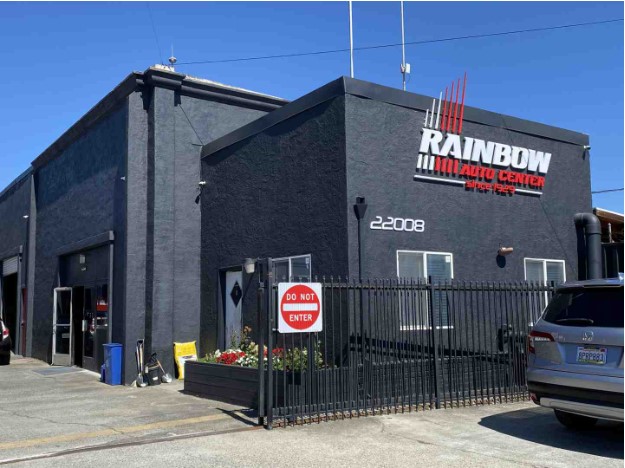
Second, I cannot stress enough the importance of an independent mechanical inspection. While a dealer might offer their own multi-point inspection, an unbiased third-party mechanic can uncover issues that might be intentionally or accidentally overlooked. A professional mechanic can check for frame damage, engine compression issues, and hidden rust. This small investment, usually costing between $100 and $200, can save you thousands in unexpected repairs down the line. Look for a mechanic who specializes in pre-purchase inspections and has no affiliation with the selling dealership. Furthermore, maintaining the aesthetic value of your current vehicle is just as important for resale. If you are preparing a car for sale, consulting a Rainbow Auto Center dent removal specialist can help you remove those unsightly door dings and creases that lower a car’s perceived value, ensuring you get the best possible price.
Third, understand the Buyers Guide. The FTC requires dealers to display this guide on all used cars, including demonstrators and program cars. It outlines whether the vehicle is sold “as is” or with a warranty, and it lists major mechanical and electrical systems of the car, along with potential problems. If a salesperson makes a verbal promise, ensure it is written into the Buyers Guide, as the written document takes precedence over any spoken word. Always negotiate any warranty changes directly on the Buyers Guide itself.
For those in the Hayward auto market or any competitive region, these steps are vital. Whether you’re looking for a reliable daily driver or a specific luxury model, applying these principles will help you make a sound decision. Understanding the nuances of automotive sales and care, whether you’re considering a new vehicle or a pre-owned one, is key to a satisfying ownership experience. For example, a reputable dealership like Springfield Acura automotive sales and care would typically provide clear information on vehicle history and available warranties, reflecting the best practices in the industry that prioritize customer trust over a quick sale.
When it comes to used cars, warranties are a critical component of your protection, but they are not all created equal. They differ significantly in scope and duration:
Warranty Type Description Implied Warranty An unwritten promise that a product will perform as expected. It’s automatically included in most sales unless specifically disclaimed (e.g., “as is”). For cars, it generally means the car is fit for ordinary driving purposes and is merchantable. Full Warranty A warranty that covers all parts of a product for a specified period. Under the Magnuson-Moss Warranty Act, it must meet certain federal standards, including free repair or replacement, and customers can return the product for a full refund if repairs aren’t successful after a reasonable number of attempts. Limited Warranty A warranty that offers limited coverage, meaning certain parts, systems, or conditions might be excluded. It typically offers less comprehensive coverage than a full warranty and often has specific terms, such as a deductible or a requirement that the owner pays a percentage of the labor costs. Service Contract An optional extended warranty.
It provides coverage for specific repairs beyond the manufacturer’s warranty. Unlike warranties, service contracts are purchased separately and are regulated differently. Terms, coverage, and cost vary widely, and they can be “inclusionary” (listing what is covered) or “exclusionary” (listing only what is NOT covered). Beyond the legalities, successful automotive care involves a proactive mindset.
Regular fluid checks, monitoring tire pressure, and listening for unusual noises can prevent a minor issue from becoming a catastrophic failure. When you combine diligent maintenance with a sophisticated understanding of the sales process, you transform from a passive consumer into an empowered owner. This dual approach ensures that your vehicle remains a reliable asset rather than a financial burden, allowing you to enjoy the freedom of the open road with total peace of mind.