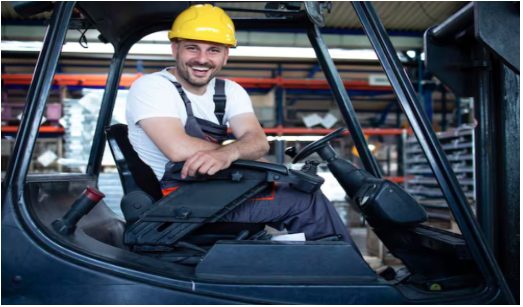

Material handling operations rely heavily on the efficiency and safety of heavy machinery to move goods across warehouses and construction sites. While much attention is paid to engine maintenance and operator training, the components that actually make contact with the ground are often overlooked.
Choosing the right forklift tires is a decision that impacts not only the machine’s performance but also the overall safety of the work environment and the longevity of the equipment.
By understanding the specific needs of your facility and the different types of wheels available, you can ensure that your fleet remains productive and cost-effective over time.
1. Identifying the Correct Tire Type for Your Environment
The first step in selecting the right equipment is determining whether your operations occur primarily indoors or outdoors. For smooth warehouse floors, cushion models made of solid rubber pressed onto a steel band are typically preferred because they offer a tighter turning radius.
Conversely, if your business operates on uneven terrain or gravel, you will likely need pneumatic forklift tires, which are filled with air or a specialized foam. These provide better traction and a smoother ride over bumps, protecting both the driver and the chassis from excessive vibration.
2. Evaluating Load Capacity and Durability
Every industrial vehicle has a specific load rating that must be respected to prevent mechanical failure. When searching for new forklift tires, you must ensure that the rubber compound and internal structure are rated for the maximum weight your machine will carry.
Choosing a product with insufficient load capacity can lead to rapid tread wear or even a dangerous blowout during operation.
High-quality compounds are designed to resist heat buildup during long shifts, which is essential for maintaining the structural integrity of the wheel and preventing premature degradation.
3. Considering Floor Protection and Non-Marking Options
In industries such as food processing, pharmaceuticals, or high-end retail warehousing, maintaining clean floors is a top priority. Standard black rubber can leave unsightly scuff marks that are difficult and expensive to remove.
To address this, many managers opt for non-marking forklift tires, which are made with silica instead of carbon black.
These specialized wheels provide the same level of performance and durability without leaving streaks on light-colored concrete or coated surfaces. This choice helps preserve the professional appearance of the facility while reducing cleaning costs.
4. Analyzing Tread Patterns for Maximum Traction
Traction is vital for safety, especially in environments where moisture or oil may be present on the floor. A smooth or slick tread is ideal for dry, indoor applications as it provides a larger contact patch with the ground.
However, if your drivers frequently transition between indoor and outdoor areas or work in cold storage, a deeper tread pattern is necessary to channel away liquids and maintain grip.
Checking the tread depth regularly is a key part of maintenance, as worn-out wheels can lead to sliding, longer stopping distances, and an increased risk of collisions.
5. Balancing Initial Cost with Total Lifecycle Value
While it may be tempting to choose the least expensive option available, the cheapest products often have a shorter lifespan and require more frequent replacements.
It is more beneficial to look at the total cost of ownership, which includes the price of the part, the labor for installation, and the cost of machine downtime.
Investing in premium forklift tires can lead to significant savings over several years by reducing the frequency of repairs and improving fuel or battery efficiency. A high-quality wheel reduces rolling resistance, which means the machine requires less energy to move.